Commander Phil Harper RN recently wrote to me about an unusual sextant. As I am no longer in a position to collect and write about interesting sextants, I invited him to write the following guest blog post. Ewen Southby-Tailyour, one of the subjects of the post, wrote most of the text, with Phil and me providing light editing.
The man
Few sextants carry their history with them, but C Plath 26276 is quite the exception. It was built in Germany late in World War II and ‘liberated’ in Wilhelmshaven from U-3008 in May 1945, by Lieutenant-Colonel (later General) N H Tailyour who was then commanding officer of 27 Battalion Royal Marines, a unit within 116 Infantry Brigade Royal Marines that was attached to the Canadian First Army, and responsible for guarding about 200 German warships and submarines that had surrendered.
Norman Tailyour had owned various yachts before the war, and knew well how to use a sextant. In 1947 his friend and mentor, Lieutenant-Colonel Patrick Phibbs OBE RM, bought the 35-ton, 56-feet Bristol Channel Pilot Cutter Olga, and Norman Tailyour was often invited to cruise along France’s Biscay and Brittany coasts, using C Plath 26276 to do the navigation. His son, Ewen Southby-Tailyour, a godson to Patrick Phibbs, sailed in Olga too, from the age of five. Even at a young age he often took sun sights with C Plath 26276 but, to begin with, left the figures for others to work out and plot.
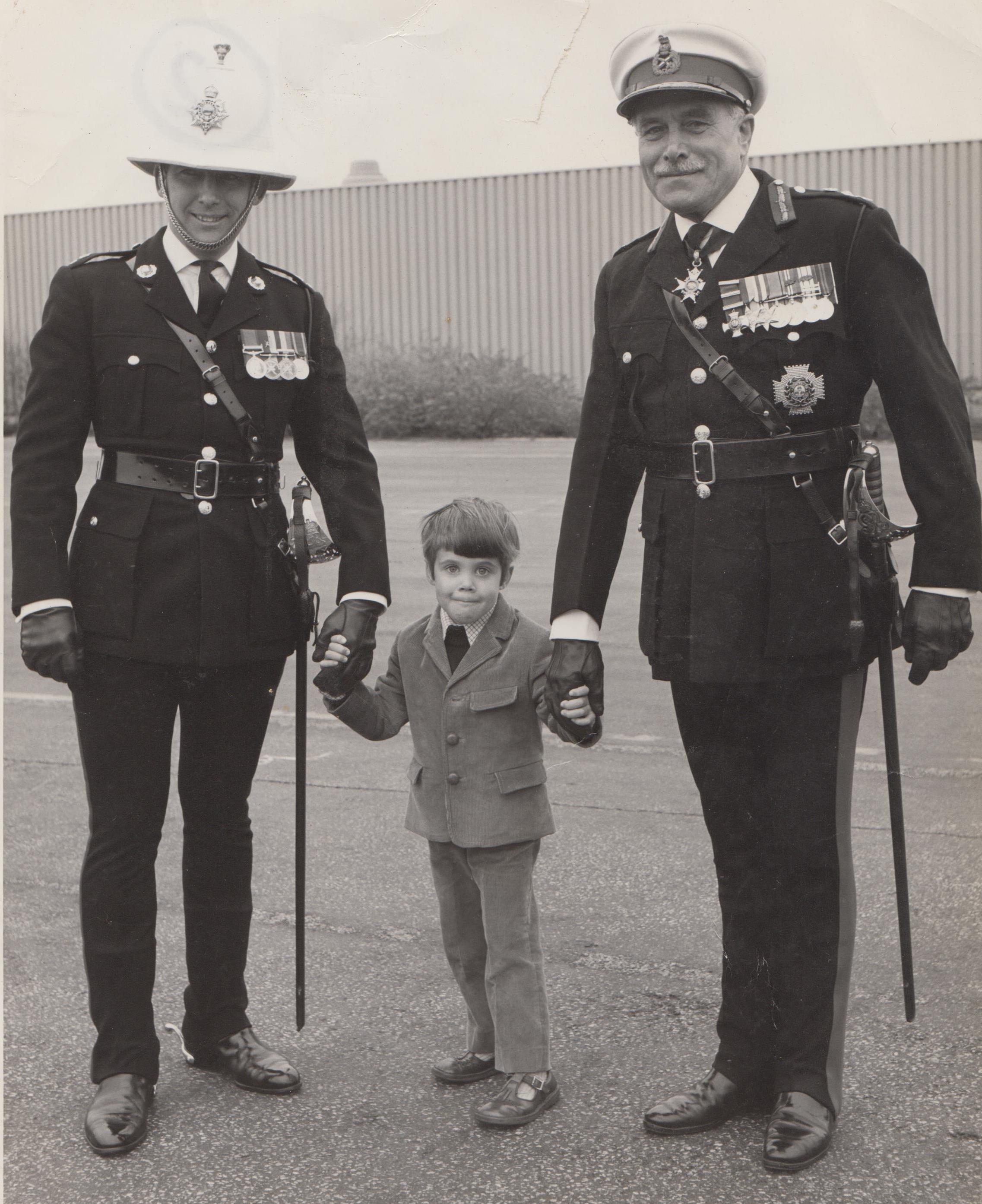

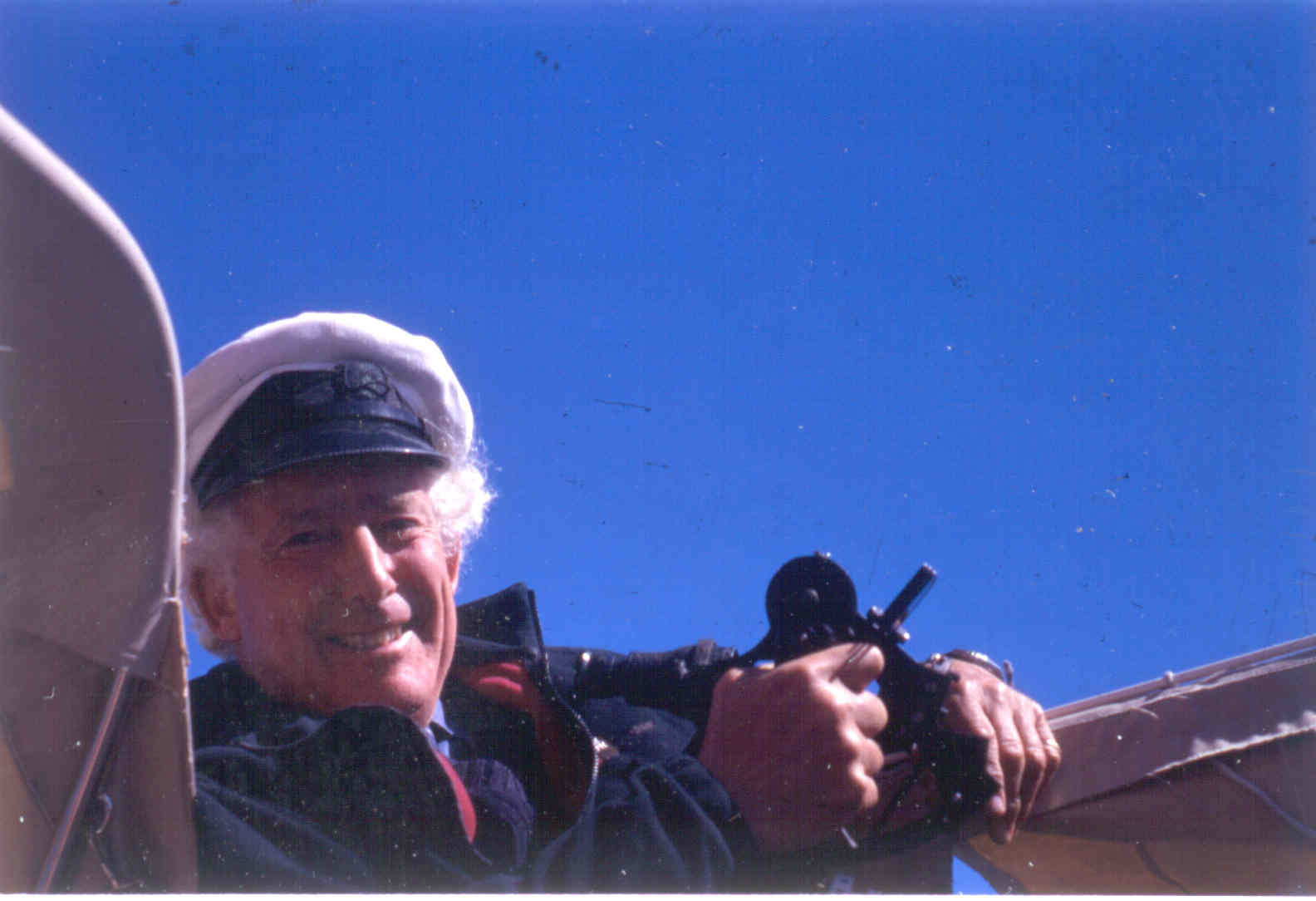

Ewen went to school at the Nautical College, Pangbourne in 1955 and was taught celestial navigation to ‘O’ Level standard. During the summer holidays on board Olga he could then produce his own intercepts and position lines. Joining the Royal Marines in 1960 he retrieved the sextant from Olga and used it in many and various Royal Ocean Racing Club (RORC) ocean races, notably as the navigator in six Fastnet races during the 1960s and 1970s.
In 1963 as the Seamanship Training Officer for the Landing Craft branch at Poole, C Plath 26276 was employed teaching celestial navigation, then between 1963 and 1964 it travelled with Ewen to HMS Anzio, a ‘landing ship, tank’ in the Persian Gulf.
In the mid-1960s he was the sailing master of the Royal Marines’ Windfall yacht Sea Soldier and introduced young officers to the sextant.
When appointed officer commanding the amphibious detachment in HMS Fearless in 1973, C Plath 26276 was lent to the ship’s navigating officer, who preferred to use it rather than the issued sextant (presumably a much heavier Kelvin Hughes Admiralty 491). In 1978, Ewen was sent to the Falkland Islands as officer commanding NP8901 and, naturally, C Plath 26276 went with him on the long journey south. It was used extensively, mostly for horizontal sextant angles of the islands, while carrying out amateur surveys of the archipelago. These surveys formed the basis of more than 100 pages of notes on the harbours, inlets and landing spots around the islands, notes which became superbly useful to the commander of the amphibious landing force in the Falklands War in 1982. Ewen was attached to the staffs of 3 Commando Brigade and the Commodore Amphibious Warfare, and his sextant joined him for the war, though necessarily seeing little use.
His survey notes later became the book Falkand Islands Shores, a work which is still in use today for those navigating around the wild shores of the Falklands. He was elected the UK’s Yachtsman of the Year in 1982 for this contribution to the success of the recovery of the islands. C Plath 26276 continued to be used professionally during assignments at Poole and deployments to the Arctic
Having owned four yachts between 1973 and 2022, after retiring Ewen cruised between the Denmark Strait (the strait between Greenland and Iceland) and the Biscay coast, always with C Plath 26276. This sextant was particularly useful during three voyages surveying the last five uncharted fjords of north-west Iceland, for which Ewen was awarded the Goldsmith Exploration award.
The sextant
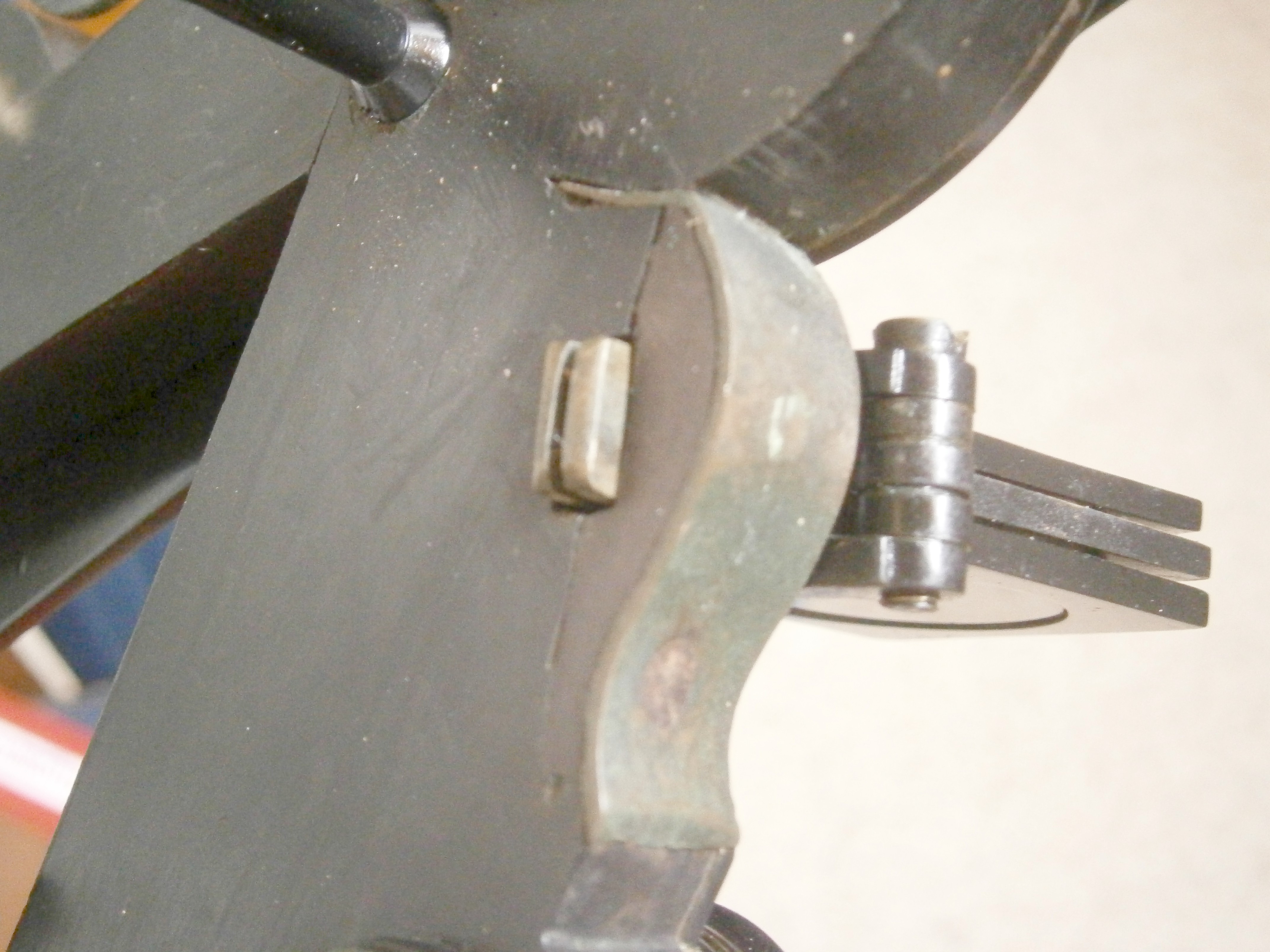
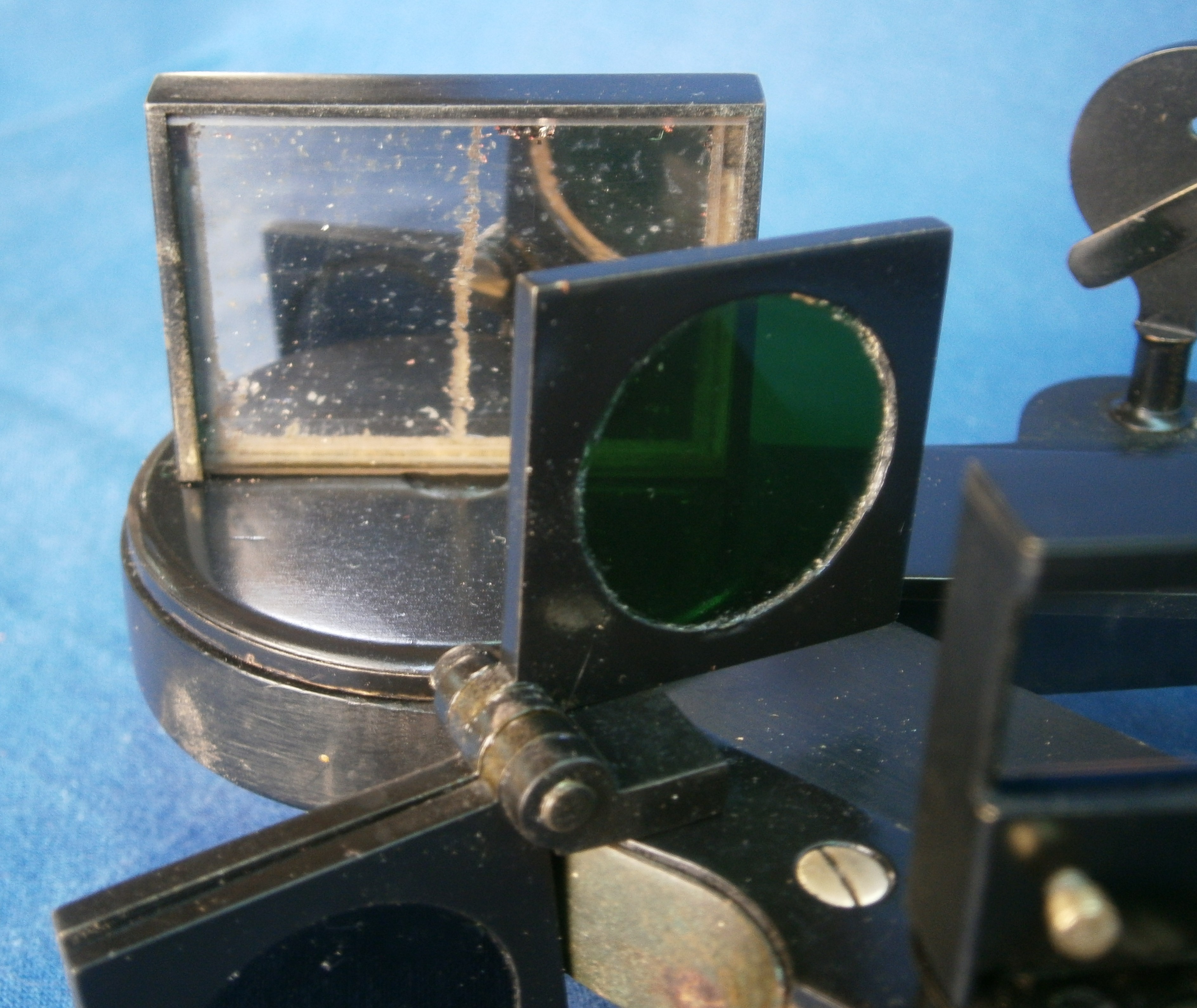
C Plath 26276 was, after 80 years of intensive use at sea, in some need of repair. Ewen, on the recommendation of mutual friends, brought it to Commander Philip Harper, a serving Royal Navy navigator and commanding officer. By this time the aluminium screws used to secure the hinges and clasps had largely rotted away and the joints of the box were coming apart. Many of the sextant parts were corroded, and both mirrors were in poor condition (the index mirror was almost completely destroyed, although Ewen claimed he could still take a sight with it!).
Philip cleaned, repaired and refinished the instrument, and repaired the box. The horizon mirror was professionally silvered, and a new index mirror was cut and the edges ground as advised in Bill’s blog article [see post for 11 February, 2009)]. The patina has been preserved, but the instrument is ready for another eight decades of hard use.
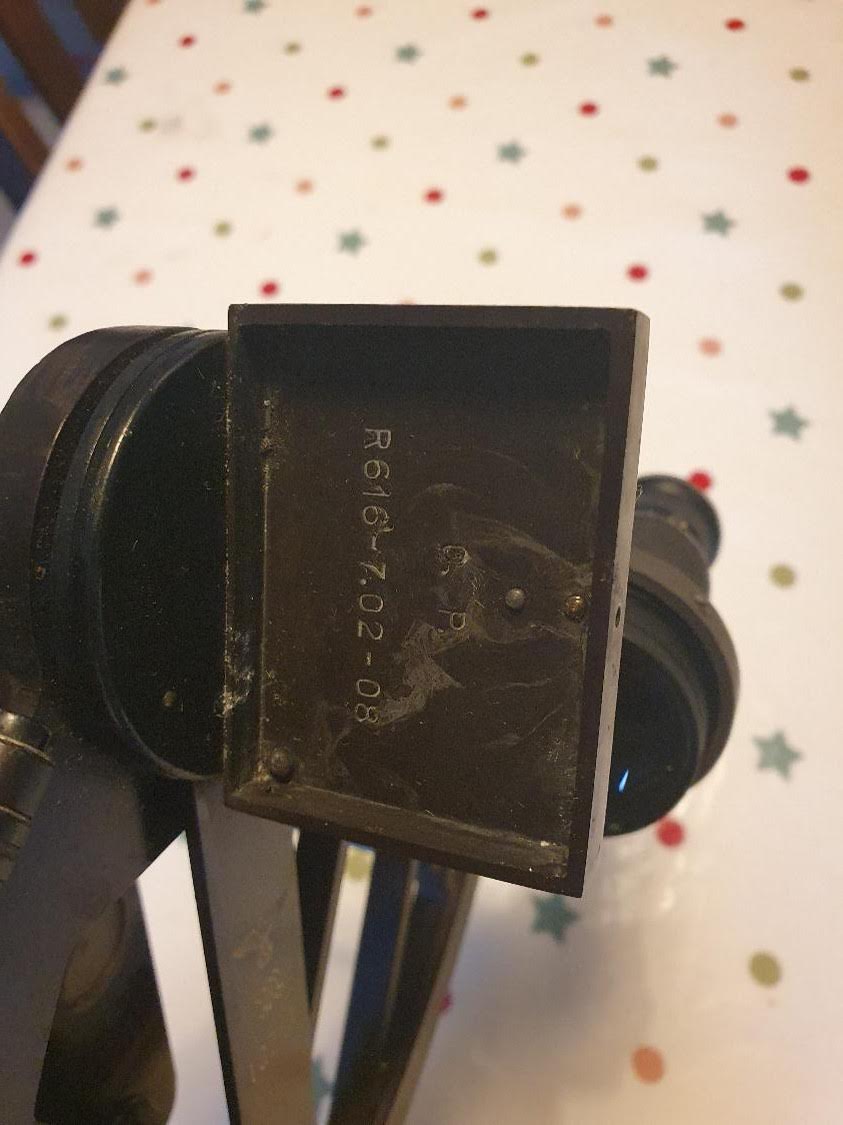
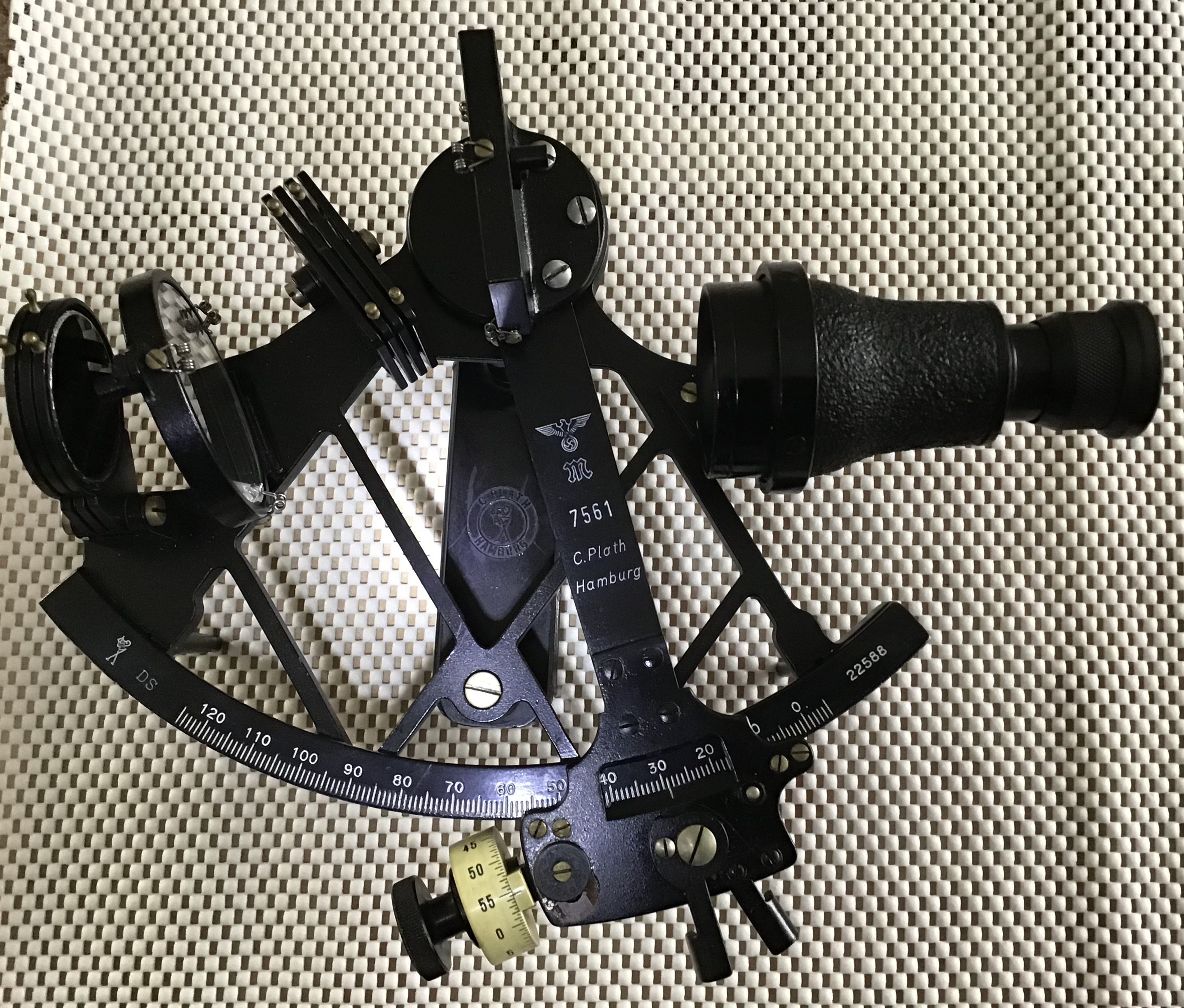
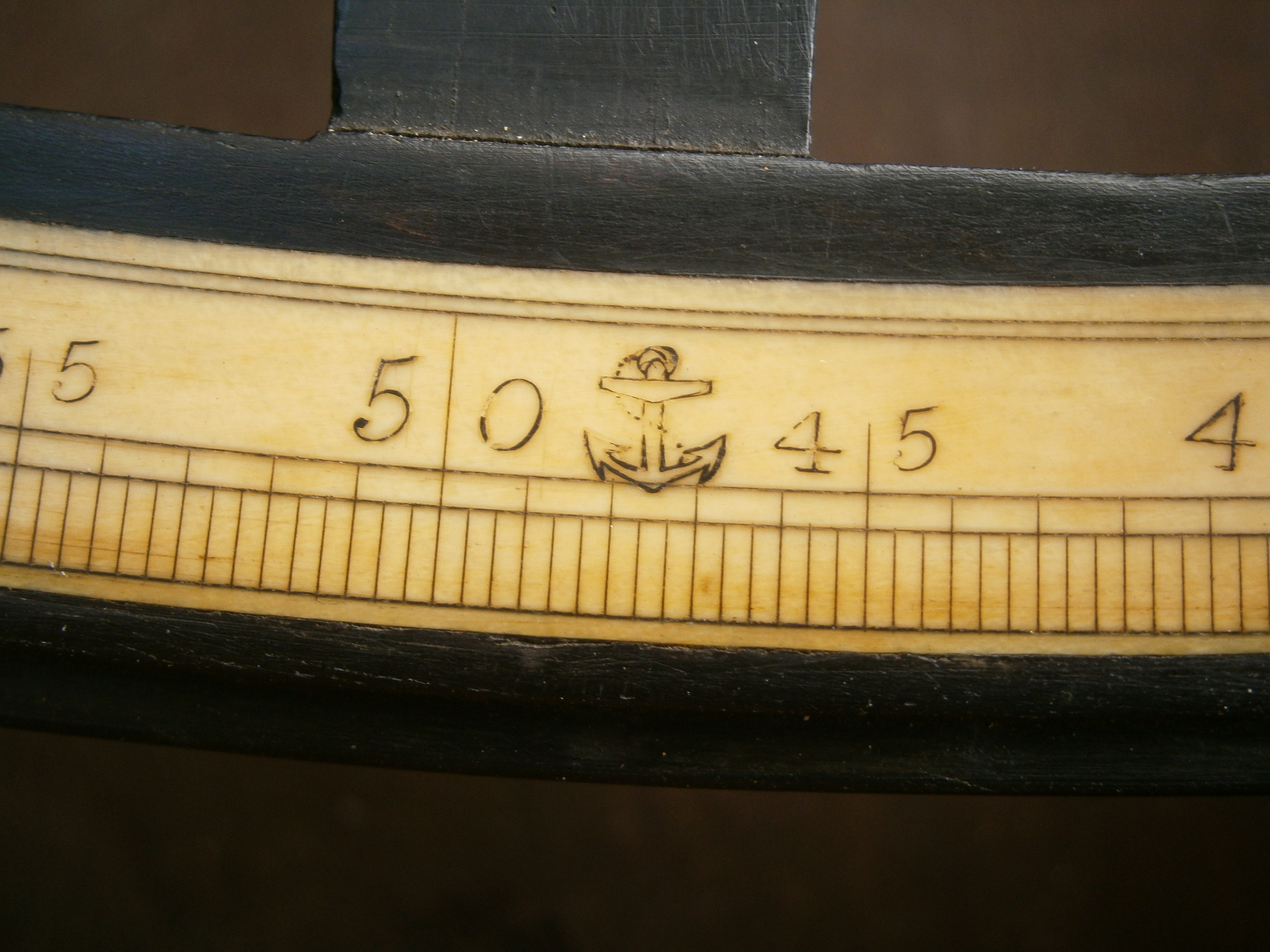
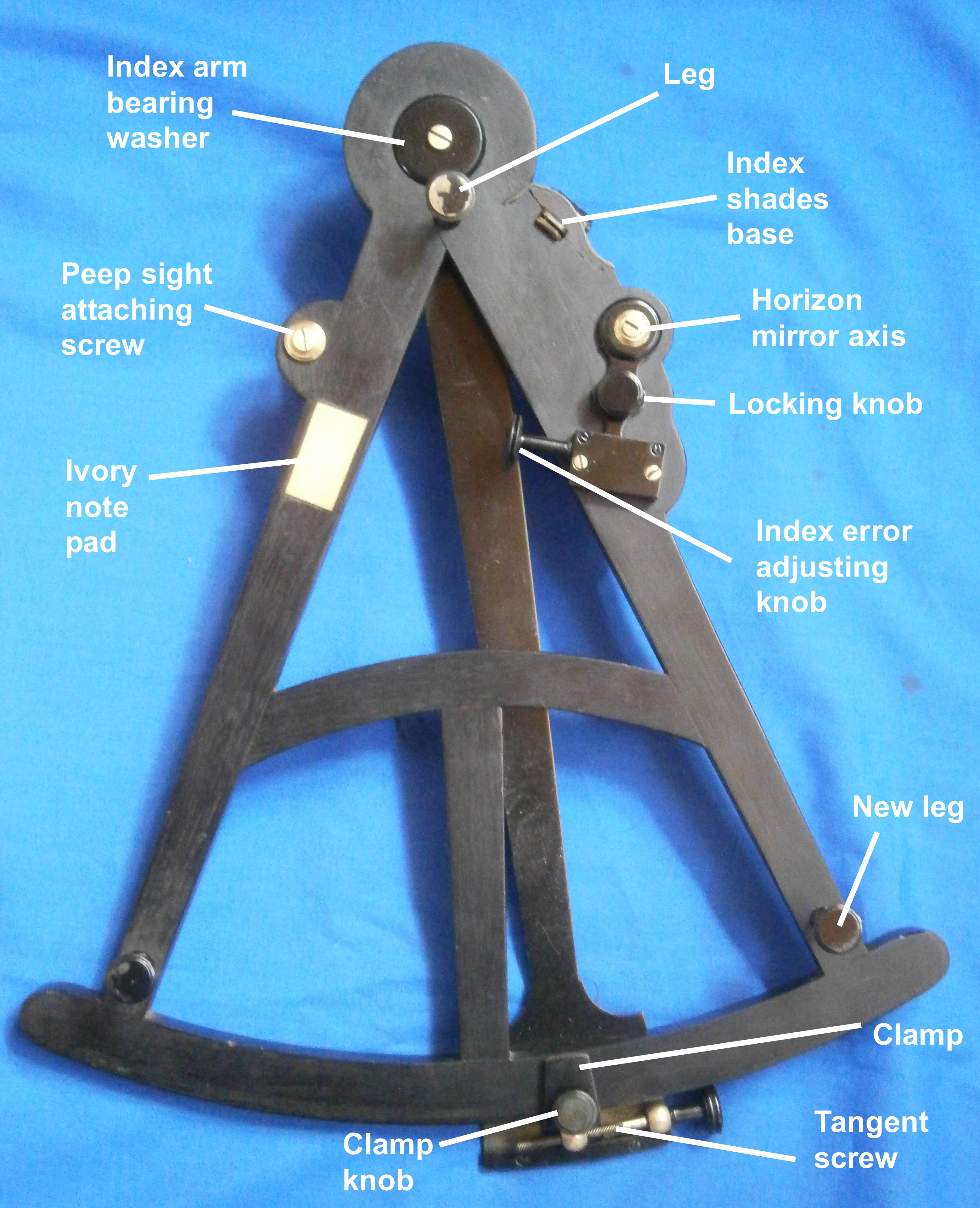
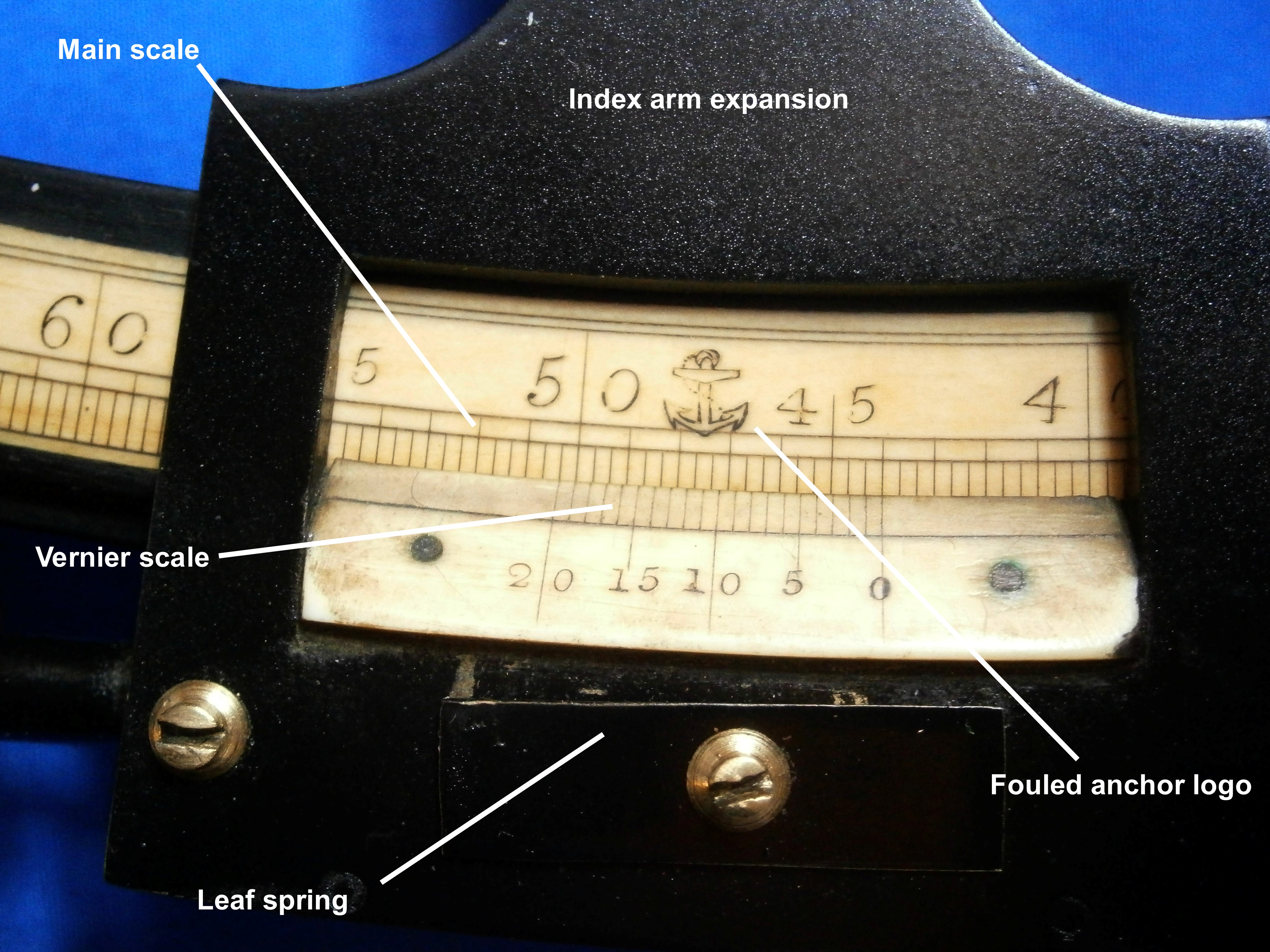
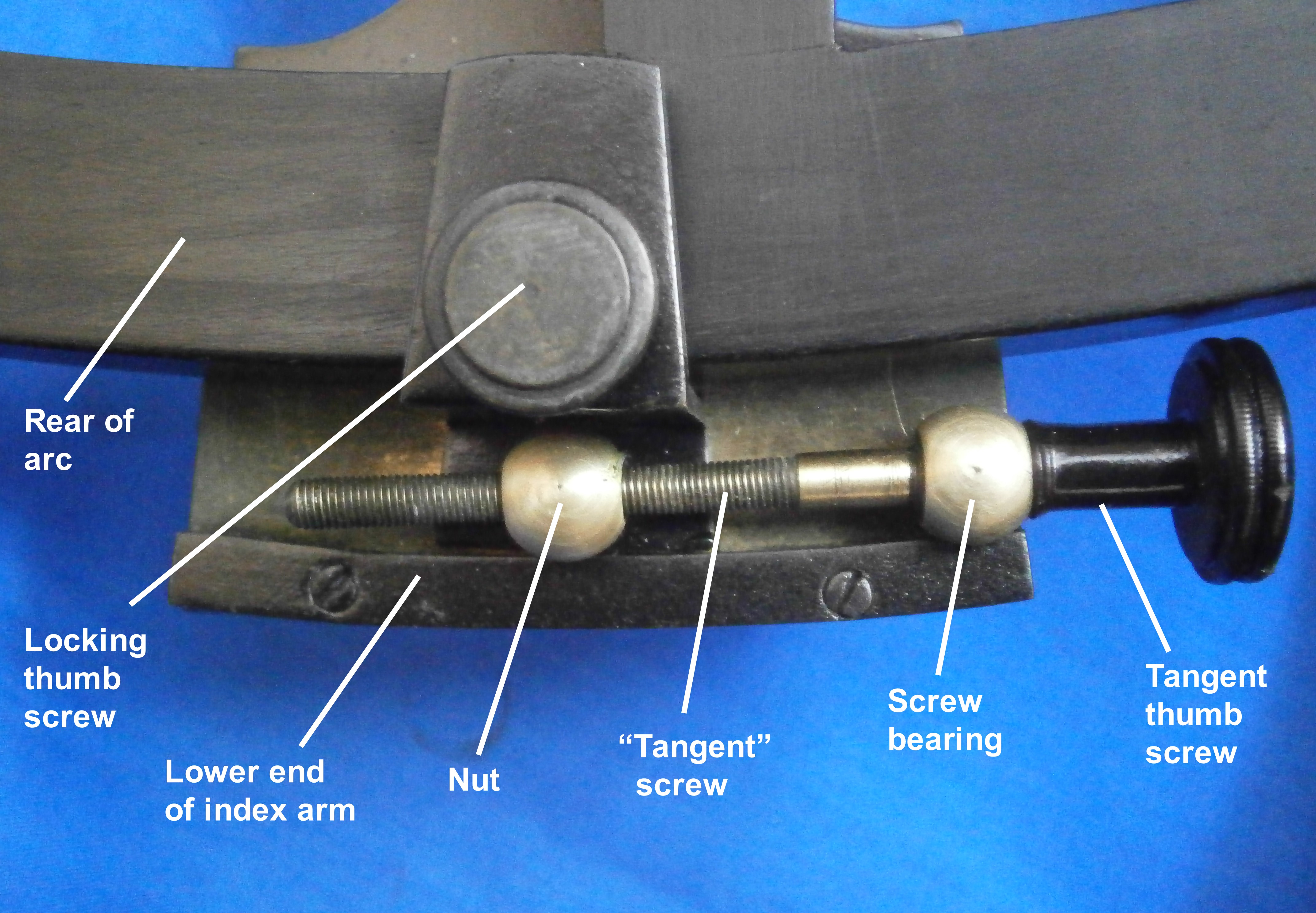
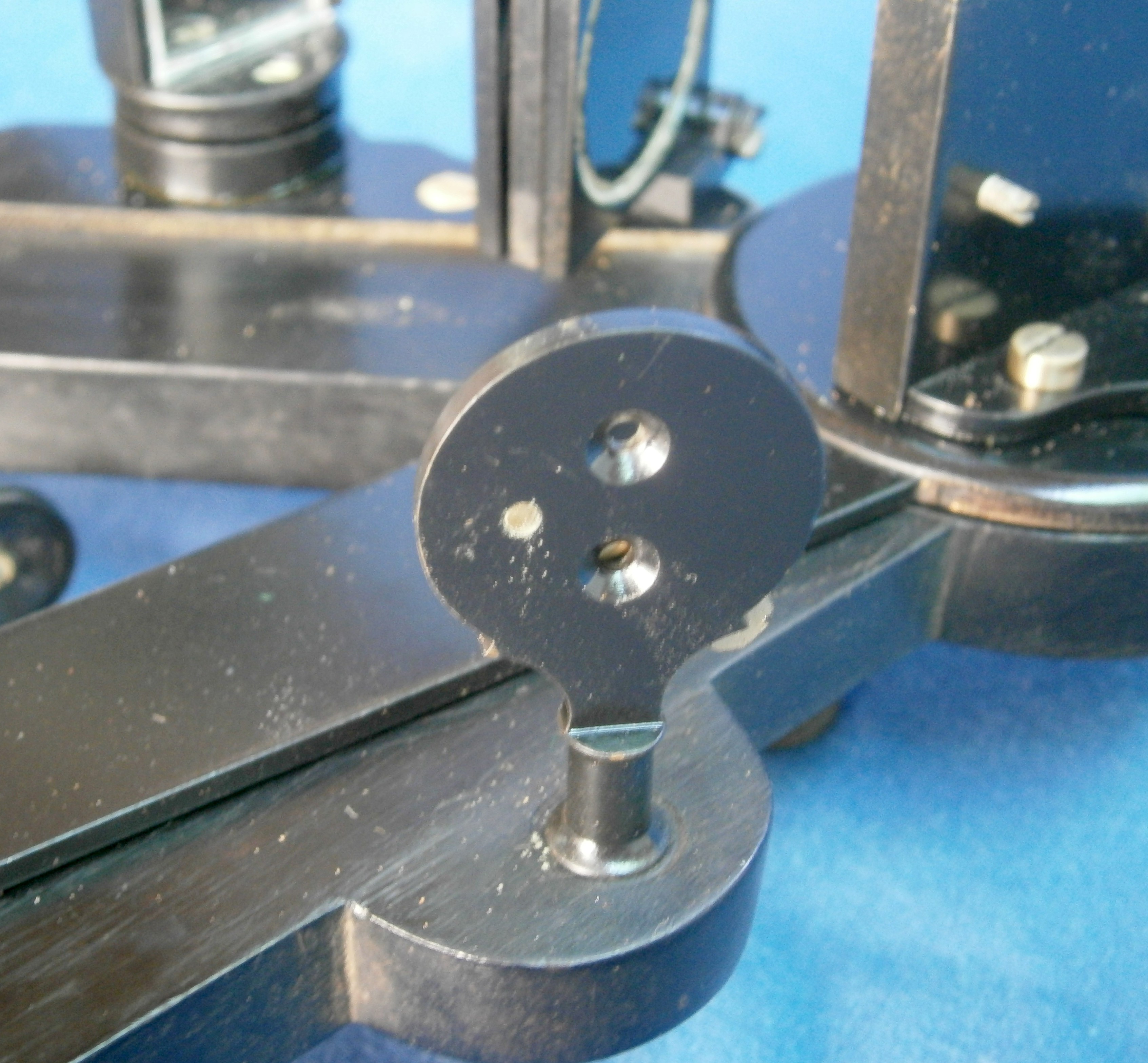
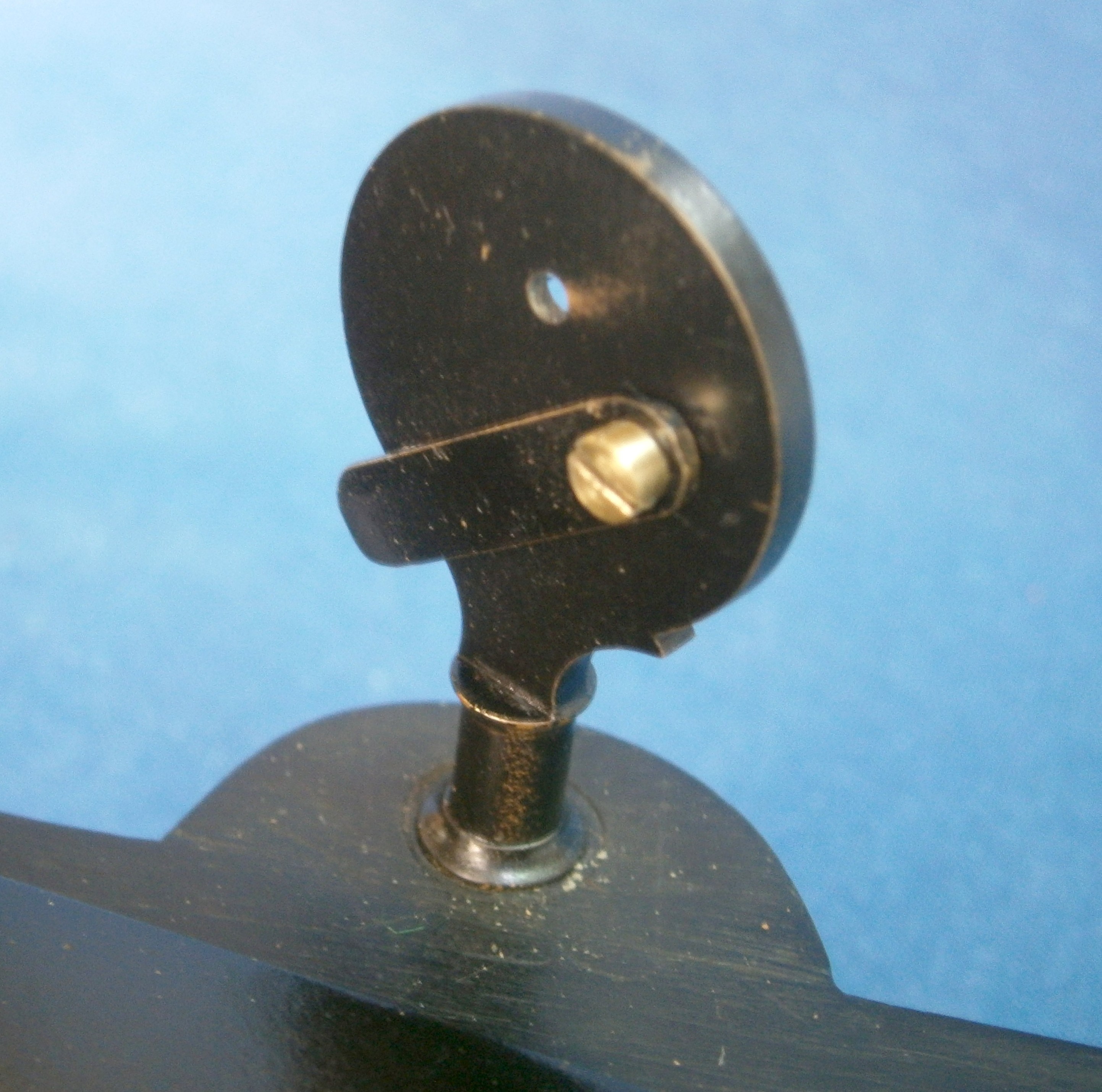
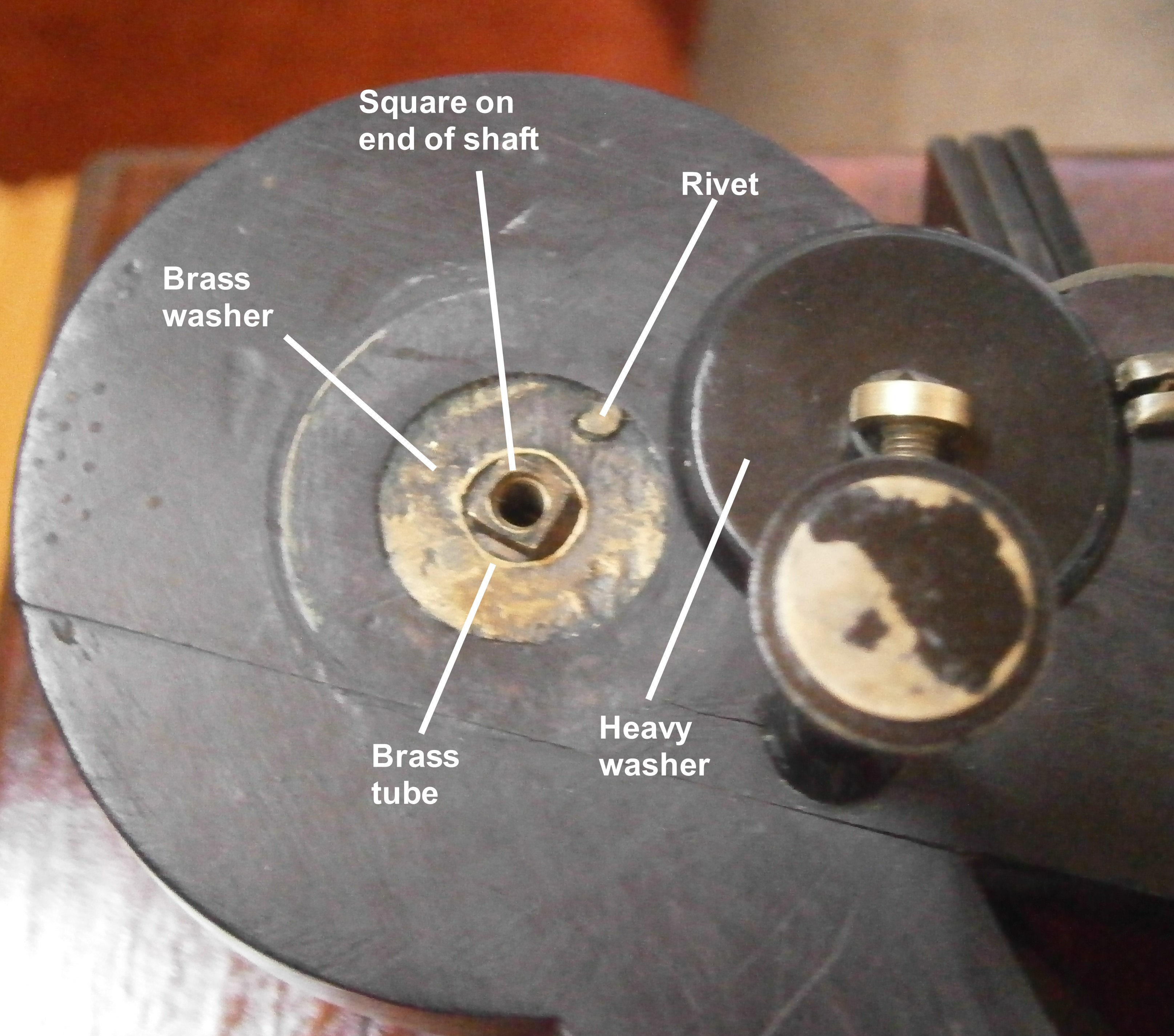
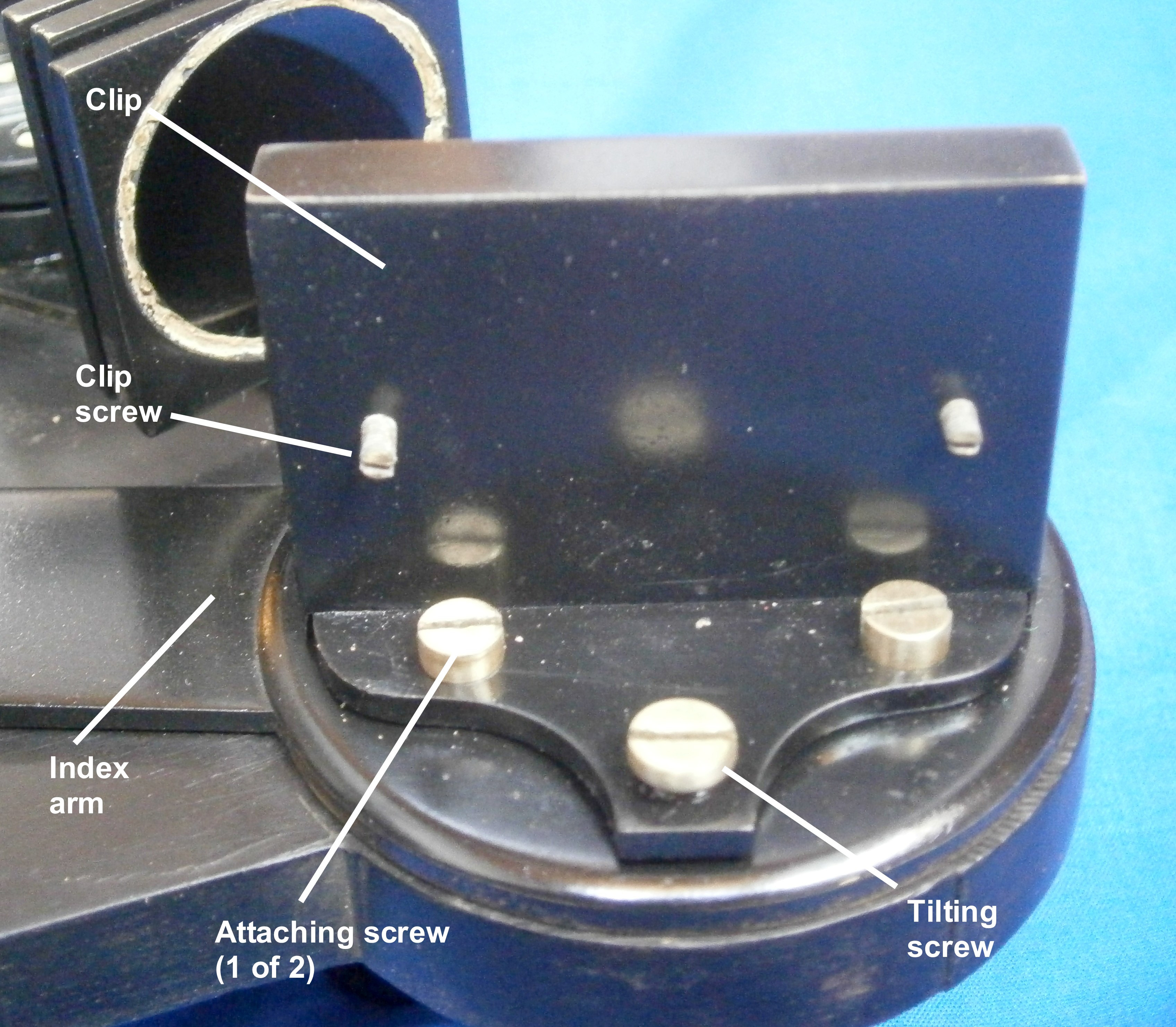
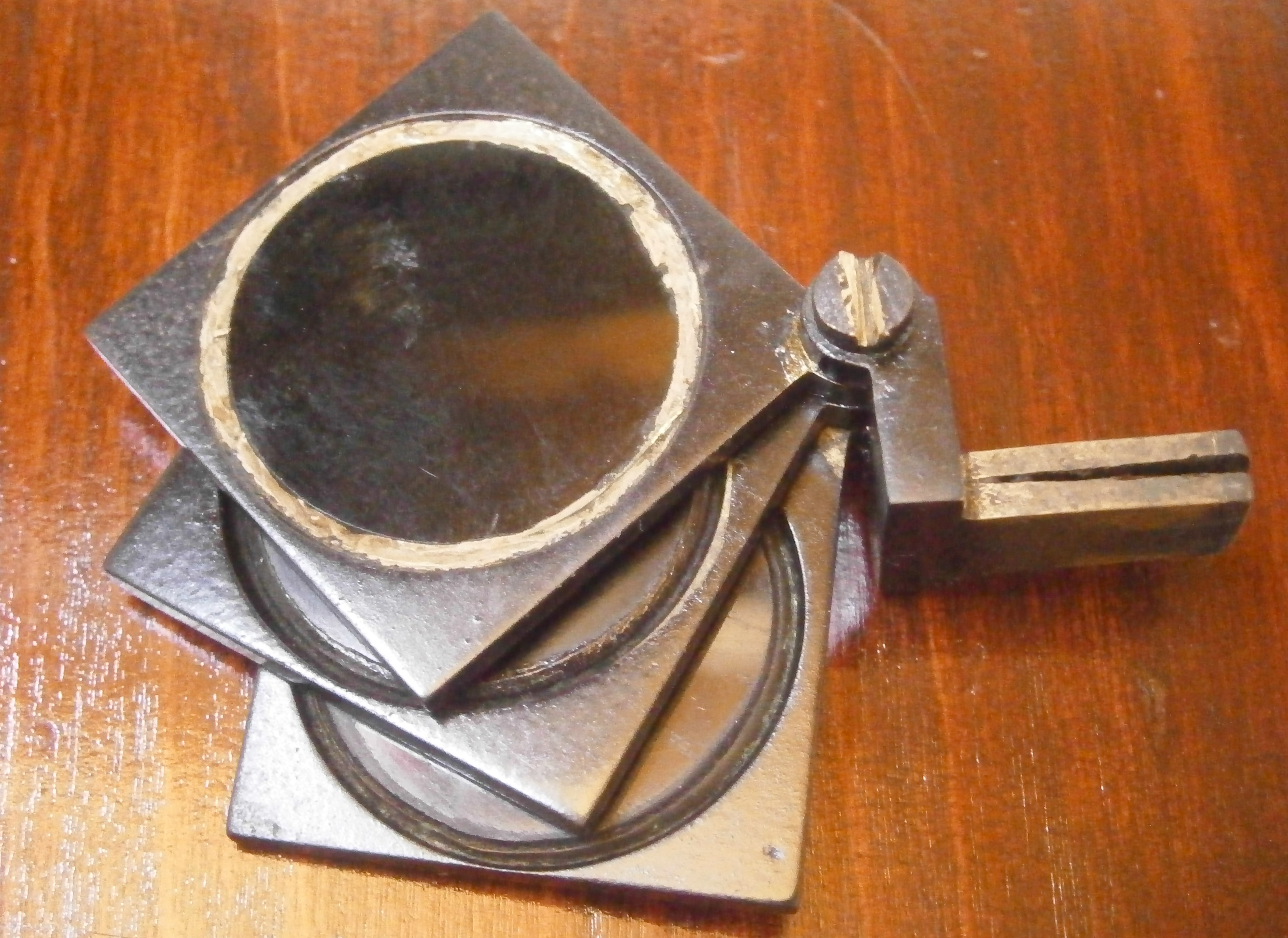
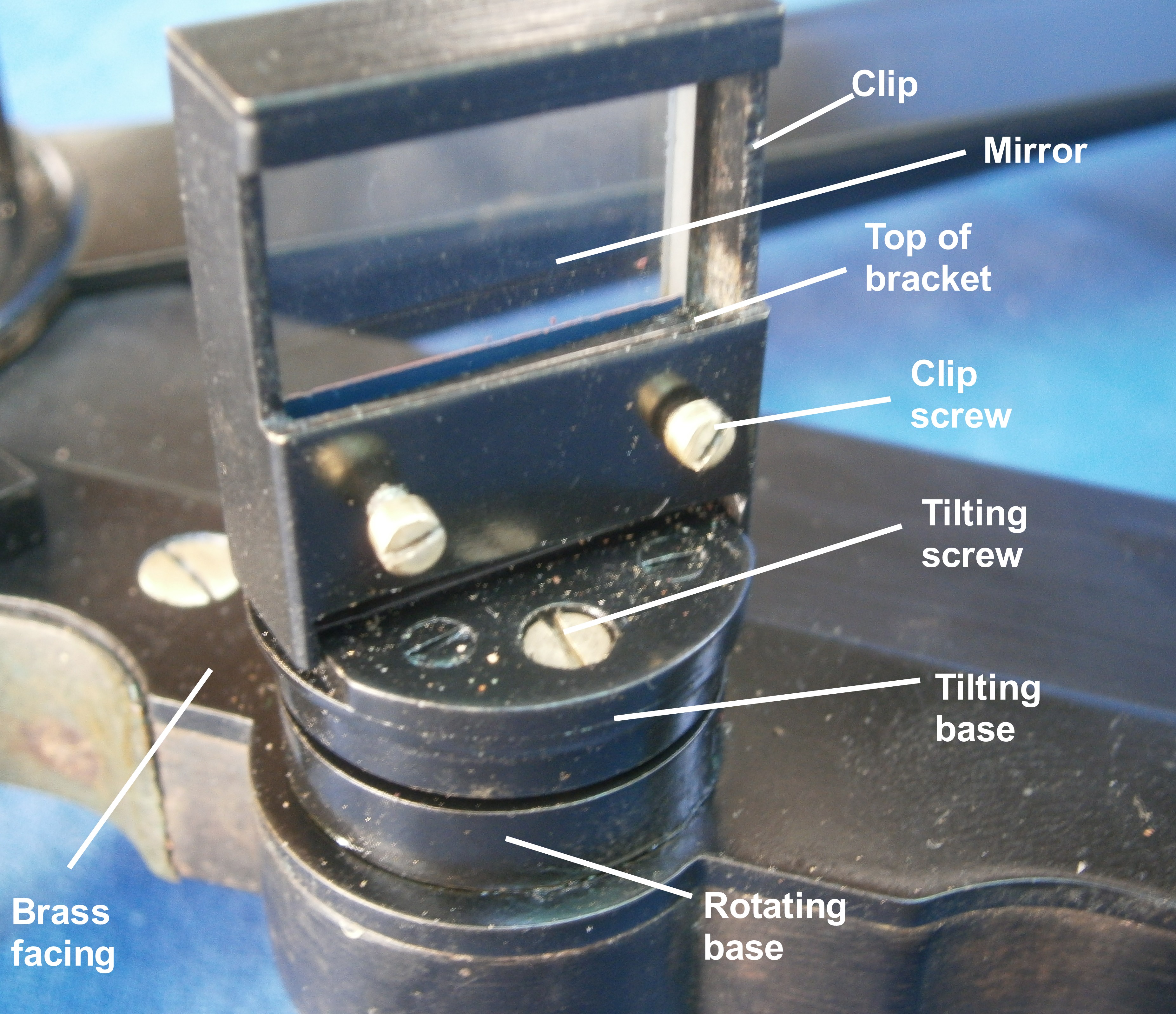
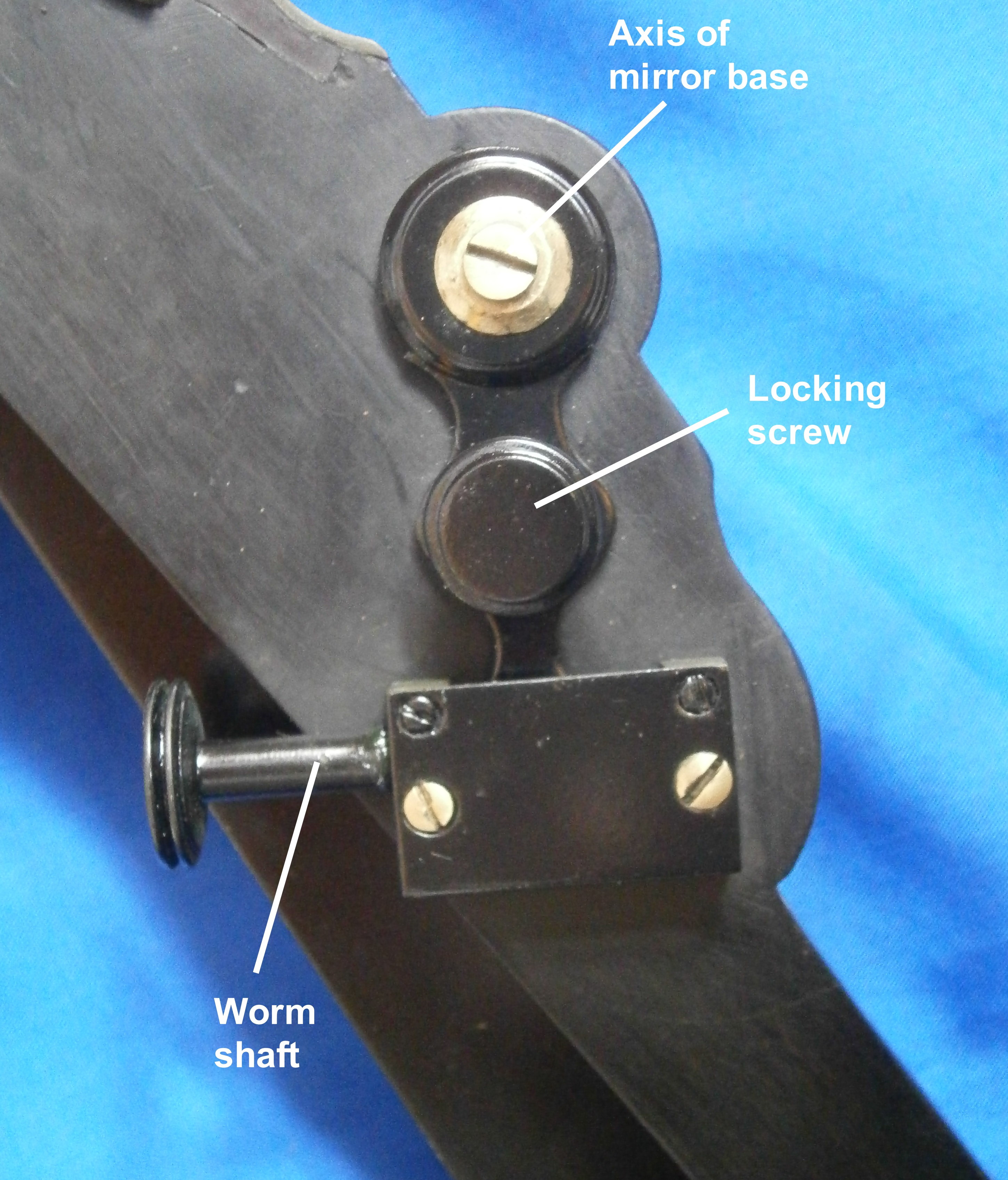
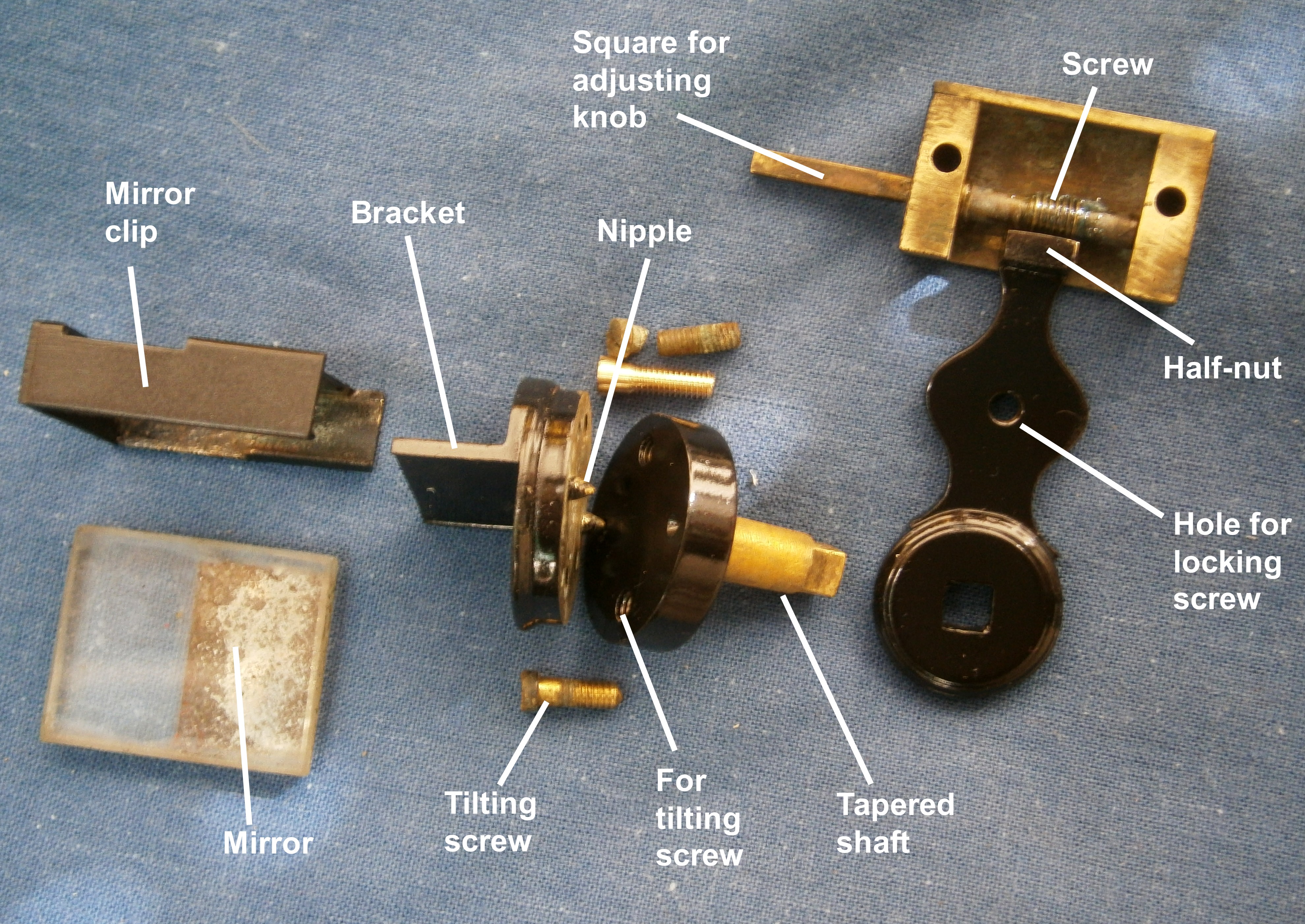
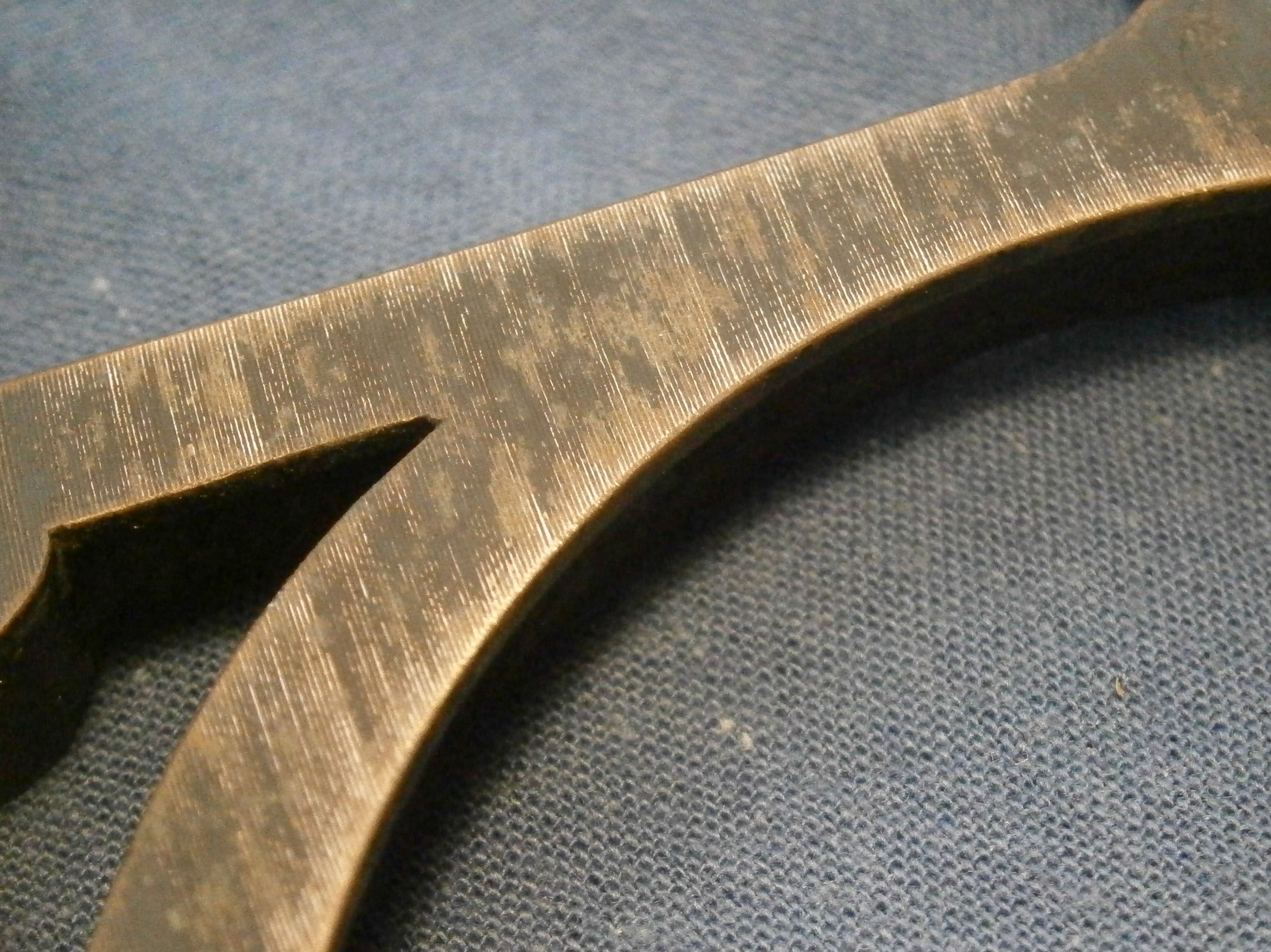
During the restoration, it became clear that there was something unusual about C Plath 26276. Even disregarding the extensive provenance, it was clearly a genuine wartime Kriegsmarine C Plath sextant, but the C Plath trademark (a stickman holding a sextant) was missing from both the arc and the handle. Figure 6 was taken to show these two logos in an otherwise identical sextant from ca. 1942. Fakes, of course, normally add the trademark to a non-original item, so this was more a cause for interest than concern. On removing the mirrors, the C Plath part markings were present (Figure 5), confirming that the parts had been made in a C Plath factory. But why were the trademarks missing? Given the late serial number, it is surmised that this instrument was made up from parts in a machine shop in Germany after the C. Plath factories in Ostrołęka and Sopot in Poland had been overrun by the Red Army in late 1944 or early 1945. It would then have been delivered to the Kriegsmarine and subjected to an examination. It seems by this stage of the war the Kriegsmarine merely stamped the certificates Entspricht den Bestimmungen der Kriegsmarine (“corresponds to the regulations of the Navy”) and Das Instrument is den fur Gebrauch aus fehlerfral zu bezeichnen (“the instrument is intended to be used without error”). The sextant would then have been issued to a ship or submarine. In this case, it went to U-3008.

The U-boat

U-3008 was a new type of submarine – the Type XXI submarine Elektroboot, designed to operate at high speed underwater for extended periods. All Cold War diesel-electric submarines were based to a greater or lesser extent on this innovative German design. U-3008 was one of only two such submarines to complete a war patrol. She was launched on 14 September 1944 and commissioned on 19 October 1944 by Kapitänleutnant Fokko Schlömer. Kapitänleutnant Helmut Manseck took command in March 1945. The boat sailed on one patrol from Kiel on 3 May 1945, returning to Kiel on 21 May 1945. After the end of WWII, U-3008 was secretly transferred to USN for trials. She was scuttled in a series of demolition tests in 1954. The hulk was raised and towed to the Navy drydock at Roosevelt Roads where she was offered up for sale in 1955 for scrap.
What does the future hold for C Plath 26276? It seems that liberating sextants from captured enemy ships is something of a habit in the Tailyour family; Ewen’s son is the owner of a Kelvin Hughes sextant liberated from the Argentine logistic ship Bahia Buen Suceso in 1982. C Plath 26276 will therefore skip a generation and go to Ewen’s grandson, who is commencing a three-year degree course at Warsash Maritime School. As he aims to skipper super yachts worldwide, there is every chance that the instrument has much travel and use ahead of it.
Postscript
Ewen was pleased to read this blog and made a gift of the sextant to his grand son Jacob, as shown in the following photo.















 The Nautical Sextant
You must be logged in to post a comment.